Last Updated on January 28, 2025 by Goya

From its breathtaking landscapes, world-class food, and rich history, Northern Spain has so much to offer.
If you’re considering travelling to this part of the Iberian Peninsula and want to discover the top places to visit in northern Spain, you’re in the right place!
To make sure this guide is packed with first-hand insights and local gems, I’ve enlisted the help of Mikala, an experienced traveller who recently hiked nearly 500 miles across Northern Spain on the ancient pilgrimage route of Camino de Santiago.
And she wasn’t just passing through — she spent months living and studying in Spain, fully immersing herself in the language, culture, and daily life. From staying with a host family to studying at Spanish universities, she explored more of Spain than anywhere else she’s traveled, uncovering hidden gems, must-visit cities, and the best local eats that most visitors miss.
With her deep, personal knowledge of Spain, her guide has you covered whether you’re looking for coastal escapes, historic towns, or epic hiking adventures.
So, without further ado, let’s get into it — because these 15 breathtaking places in Northern Spain aren’t going to explore themselves!
Happy reading!

Hey there, just a quick note: this post contains affiliate links, meaning I may earn a small commission if you make a purchase through them — at no extra cost to you. Your support helps me continue doing what I love and I cannot thank you enough! ♡
Regions of Northern Spain
Before we dive into specific cities in northern Spain, it’s helpful to zoom out and get an understanding of the autonomous communities in the area (think of these as similar to states).

From west to east, they are:
- Galicia: Sometimes referred to as the Scotland of Spain, this region along the northwest coast has lush green forests, a rich Celtic heritage, and some of the best seafood in the world.
- Asturias: This region has long been a top destination for Spaniards. It’s home to some of the best mountains in the Iberian Peninsula, quaint seaside towns, and amazing food.
“My Spanish host mom always said that Asturias is the most beautiful part of the country.”
– Mikala
- Castilla y León (Castile and León): Spain’s largest autonomous community in terms of land mass, Castilla y León plays an important historical role in Spain. Much of Spanish culture today can be attributed to the area. Plus, it has some of the most World Heritage Sites in Spain.
- Cantabria: On Spain’s northern coast, Cantabria is full of white sand beaches, mountains, and delicious food. It’s home to prehistoric caves with Paleolithic art, which are designated as a World Heritage Site.
- País Vasco (Basque Country): Near the Pyrenees Mountains, this region has some of the best food in the world, a unique culture, and beautiful coastlines. It’s one of the most beloved parts of Spain!
- La Rioja: This region is known for producing some of Spain’s or even the world’s best red wines since the establishment of some of its first vineyards in the late 19th century.
- Navarra: Situated along the western edge of the Pyrenees Mountains, Navarra has long been an important region for Spain, controlling the passage between Spain and France and sitting along the Camino de Santiago pilgrimage route. It’s known for the annual Running of the Bulls and great wine.
- Aragón: Often overlooked by tourists, Aragón is worth a visit for its mountains, medieval villages, and rich history.
- Cataluña (Catalonia): People don’t always think of Cataluña as part of northern Spain, but it technically is! This region is nestled between the Mediterranean Sea and the Pyrenees Mountains. The region is known for its distinct culture, language, and traditions, which set it apart from the rest of the country.
15 Best Places to Visit in Northern Spain
Northern Spain is full of unique cities and hidden gems. Here are some of the top places to visit in the area, sorted by region!
#1: Santiago de Compostela (Galicia)
✨ Spiritual & Cultural Gem ✨
As the final stop on the Camino de Santiago and one of the most important religious sites in all of Europe, Santiago de Compostela has drawn in millions of travellers for centuries. In recent years, nearly half a million people made the journey along the Camino de Santiago to reach this city and see the alleged remains of Saint James.
Even if you don’t wish to do the Camino, this city is incredibly special to visit. Designated as a UNESCO World Heritage Site, the city has so much to offer from its religious history to some of the best seafood in Spain, beautiful architecture, and more.
For a unique experience, take a rooftop tour of the cathedral (Spanish only) or attend a pilgrim’s mass. If you’re lucky, you might witness the Botafumeiro — a massive, swinging incense burner used in special ceremonies. Having seen it firsthand, I can honestly say there’s nothing else quite like it!

“I personally loved wandering around the old town’s narrow streets, checking out all the shops and restaurants, and watching pilgrims finish their long journeys. I’d love to go back and spend more time eating good food and taking day trips elsewhere in the region. The city offers so many unique experiences that make me want to return!“
– Mikala
🛫 How to get there: Santiago de Compostela is one of the easiest cities to reach in Northern Spain. It has one of the largest airports in the region. In addition, it’s about three hours from Madrid by train and four hours from Porto by bus.
Best Tours & Day Trips from Santiago de Compostela
To make the most of your time in Santiago, consider booking a guided tour or day trip:
- Santiago Cathedral, Museum & Walking Tour – Explore the city’s history with a guided tour of the cathedral and museum. Perfect for first-time visitors! 👉 Book here
- Costa da Morte Day Trip – Visit the dramatic coastline and picturesque villages on this scenic full-day tour. 👉 Check availability
- Rías Baixas Wine & Boat Tour – Discover the stunning Rías Baixas region, complete with a winery visit and boat tour with mussels tasting. 👉 Reserve your spot
#2: A Coruña (Galicia)
✨ Coastal Beauty & Ancient Landmarks ✨

Just 30 minutes by train from Santiago de Compostela lies A Coruña. The city has gorgeous coastal views and is home to the Tower of Hercules lighthouse from the 1st century, designated a UNESCO World Heritage Site.
Here you can relax on the beach, go for a stroll alongside the ocean, and eat delicious food. The city is home to Spain’s second-largest fishing centre and is known for excellent seafood.
The Michelin Guide has also recognized over a dozen restaurants in the city.
And if you really want to get a feel for the city, a guided walking tour with food tasting is a fantastic way to experience its history and flavours in one go. You’ll wander through charming streets, hear stories of A Coruña’s seafaring past, and — of course — sample some incredible Galician dishes! 👉 Check out the tour here.
🚆 How to get there: 30-minute train from Santiago de Compostela.
#3: Oviedo (Asturias)
✨ History, Hiking & Cider ✨

The capital of Asturias, Oviedo is a charming city surrounded by mountains. When in town, you can visit historic churches, go hiking, and enjoy some of the best cider in Spain — or sidra.
The city and surrounding area are home to several monuments built by the Kingdom of Asturias in the 9th century that are designated as a UNESCO World Heritage Site.
During that time, the Kingdom of Asturias kept Christianity alive while the majority of the Iberian Peninsula was ruled by a Muslim dynasty. As a result, these buildings significantly influenced religious architecture throughout the Peninsula when Christianity returned.
The monuments include the churches of Santa María del Naranco, San Miguel de Lillo, Santa Cristina de Lena, the Cámara Santa, and San Julián de los Prados.
The Camino Primitivo, also known as the Original Way of Saint James, route of the Camino de Santiago begins in Oviedo. You might see pilgrims starting their journeys from here.
If you love the outdoors, you’re in luck — hiking trails and national parks surround the city, offering stunning views of Asturias’ lush green landscapes.
Whether you’re here for history, nature, or a glass (or two) of sidra, Oviedo is a fantastic stop in Northern Spain.
🛫 How to get there: To get to Oviedo, you can fly into the small Asturias Airport, about an hour from the city, or take a train from Madrid. The train from Madrid typically takes a little less than four hours.
Make the Most of Your Oviedo Visit – Top Tours & Excursions!
#4: Picos de Europa National Park (Asturias/Castilla y León/Cantabria)
✨ Spain’s First National Park ✨
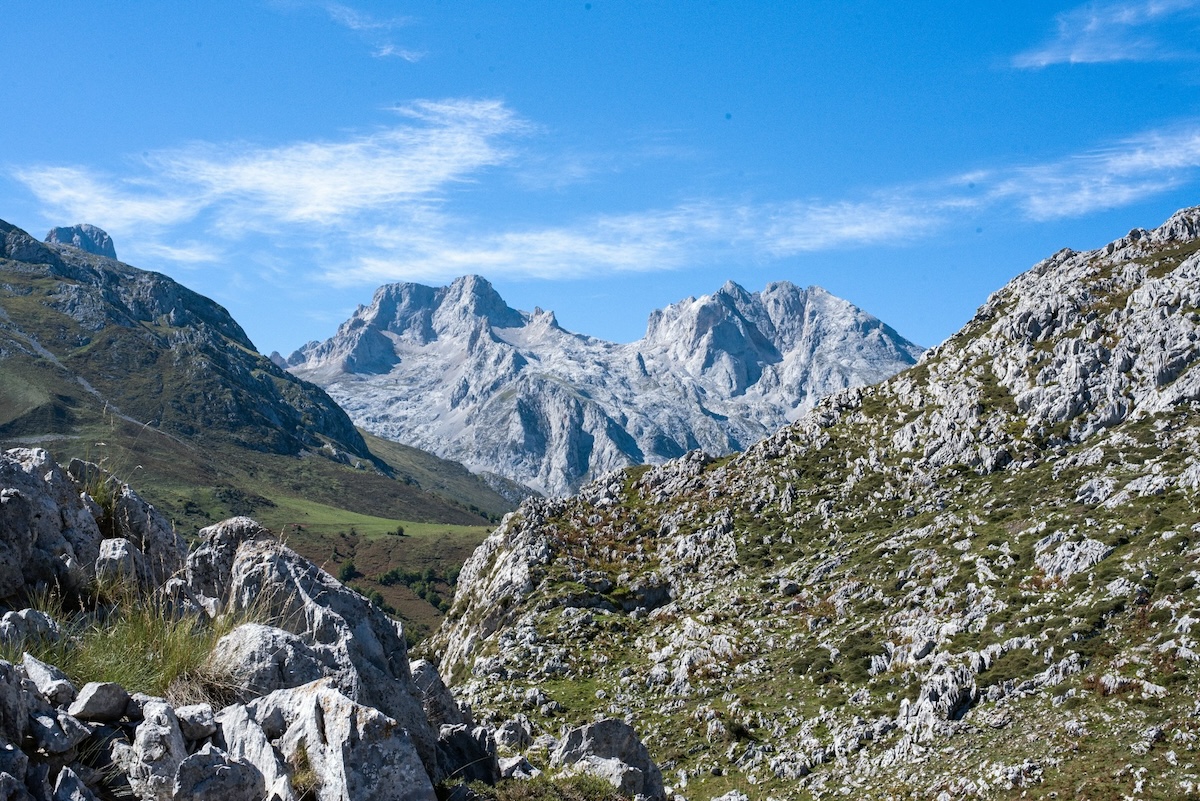
Established as a National Park in 1918, Picos de Europa is Spain’s first national park and one of its most visited. It’s full of stunning jagged limestone mountains that are said to have been the first sight of home for sailors returning from the Americas.
The park is full of opportunities to enjoy nature for everyone. You can do day hikes, multi-day hikes, rock climbing, canyoning, caving, and kayaking.
MIKALA RECOMMENDS
🚗 Prefer a scenic drive? Stop at one of the park’s many lookout points, including Pozo de la Oración, which offers a spectacular view of Naranjo de Bulnes, one of Picos de Europa’s most iconic peaks.
🚡 Looking for an easier way up? Take the Fuente Dé cable car, which whisks you up into the mountains for panoramic views and easy access to hiking trails.
🥾 A Must-Do Hike: Ruta del Cares
For one of the most popular hikes in the park, check out the Ruta del Cares, also known as the Divine Throat. This out-and-back trail along a deep gorge is fairly easy in terms of terrain, but some may find the almost 14-mile distance difficult.
🚗 Best way to visit: To get to the park, it’s easiest to either fly into Santander Airport or Asturias Airport and then rent a car. There are some public transport options, but you will be more limited in how much of the park you can explore.
#5: León (Castilla y León)
✨ A Historic Camino Stop ✨

Another important city along the Camino de Santiago, León offers a number of things to do, especially if you enjoy architecture and art.
Top attractions in the city include the León Cathedral, the Basilica of San Isidoro, and the Convent of San Marcos.
If you appreciate the opportunity to see anything made by Antoni Gaudí, the famous architect of Barcelona’s Sagrada Familia and other notable works, then you can’t miss Casa Botines — one of his rare designs outside Catalonia.
“When I hiked the Camino de Santiago, I spent my one rest day in León. I found the city to be quite charming and really enjoyed wandering the streets and exploring, especially in the old town. To me, León was a fun city to visit but also felt like a very livable city and didn’t seem too overrun with tourists.“
– Mikala
🚆 How to get there: León is easily reachable from Madrid with a train ride of about two hours.
#6: Burgos (Castilla y León)
✨ A Gothic Masterpiece ✨

Burgos is known for having one of Spain’s best cathedrals. Its intricate Gothic design and towering presence make it one of the most breathtaking in the country.
“After studying for a semester in Spain and spending quite a bit of time in the country, I’ve seen SO many Spanish cathedrals. I’m not usually impressed by them anymore, but the one in Burgos was incredible!”
– Mikala
The city is also known for its Museum of Human Evolution, developed after the earliest fossil record of humans in Europe was found outside the city. You can arrange tours to that archeological site as well.
If you visit during warmer months, you might also get a glimpse of what pilgrims experience on the Camino de Santiago as Burgos is often a main stop for many people on their journeys.
“I personally found myself nicely surprised by Burgos. I found the old town to be quite charming with the way it’s built along the river and around the cathedral. It’s a fun city to wander around and get lost in.“
– Mikala
🚆 How to get there: Burgos is about 1.5 hours by train from Madrid. It’s also easy to reach by train from León, taking a little over one hour.
#7: Santander (Cantabria)
✨ Beaches & Art ✨
Santander offers visitors lovely beaches and close proximity to mountains, including the Picos de Europa, which are just a couple of hours away.
You can spend some time on the beach or walking along the coast to the lighthouse. From there, you can also visit the Palacio de la Magdalena, an ornate palace with ocean views that was a former royal summer home.
No visit to Santander is complete without checking out Centro Botín, an art center dedicated to contemporary art, music, film, theatre, and literature. The unique building has lovely views of the bay and features rotating exhibits and cultural activities.
With its coastal charm, rich history, and stunning scenery, Santander is a city that belongs on any Northern Spain itinerary — whether you’re stopping on a road trip or hiking the Camino del Norte.
🛫 How to get there: The city has a small airport and even a ferry to the U.K., so it’s easier to get to from abroad than some of the other destinations on this list.
#8: Bilbao (País Vasco)
✨ Culture & Pintxos ✨
As Spain’s fifth largest city with one of its biggest airports, Bilbao is one of the easiest places to get to in northern Spain, making it a great potential starting or ending point for your visit to the region.
Bilbao is often overlooked for its neighbour San Sebastián (more on that city next), but Bilbao has much to offer as well.
Most notably, Bilbao has one of the world’s four Guggenheim Museums. Even if you don’t typically enjoy art museums, this unique modern art museum is well worth a visit:

“I’ll personally never forget walking through the massive steel structures in Richard Serra’s “The Matter of Time” exhibit. I’m not typically a huge fan of art museums, but that exhibit has stuck with me even now almost 10 years after my visit!“
– Mikala
Aside from the museum, you can take some time to enjoy walking around the old town and along the river. Get on the cable car for stunning views of the city and surrounding mountains. Hop from bar to bar to try different pintxos — which are small bites of food unique to País Vasco that typically have a bread base and are held together with a skewer.
From Bilbao, you can also easily hop on a bus or join a tour to see other parts of the region, such as San Juan de Gaztelugatxe, a small hermitage on an islet featured in Game of Thrones.
“I visited Bilbao when I studied abroad in Spain in 2015 because I wanted to see the north and the unique culture of País Vasco. It was the easiest city for me to get to, so I went and absolutely loved it. I want to move to Spain, and this is one of those cities I could absolutely see myself living in one day.”
– Mikala
🛫 How to get there: Bilbao is accessible via direct flights from many European cities; and is well-connected via bus or train to San Sebastián, Logroño, Pamplona, and Zaragoza.
#9: San Sebastián (País Vasco)
✨ Beachfront Elegance & Michelin-Star Dining ✨
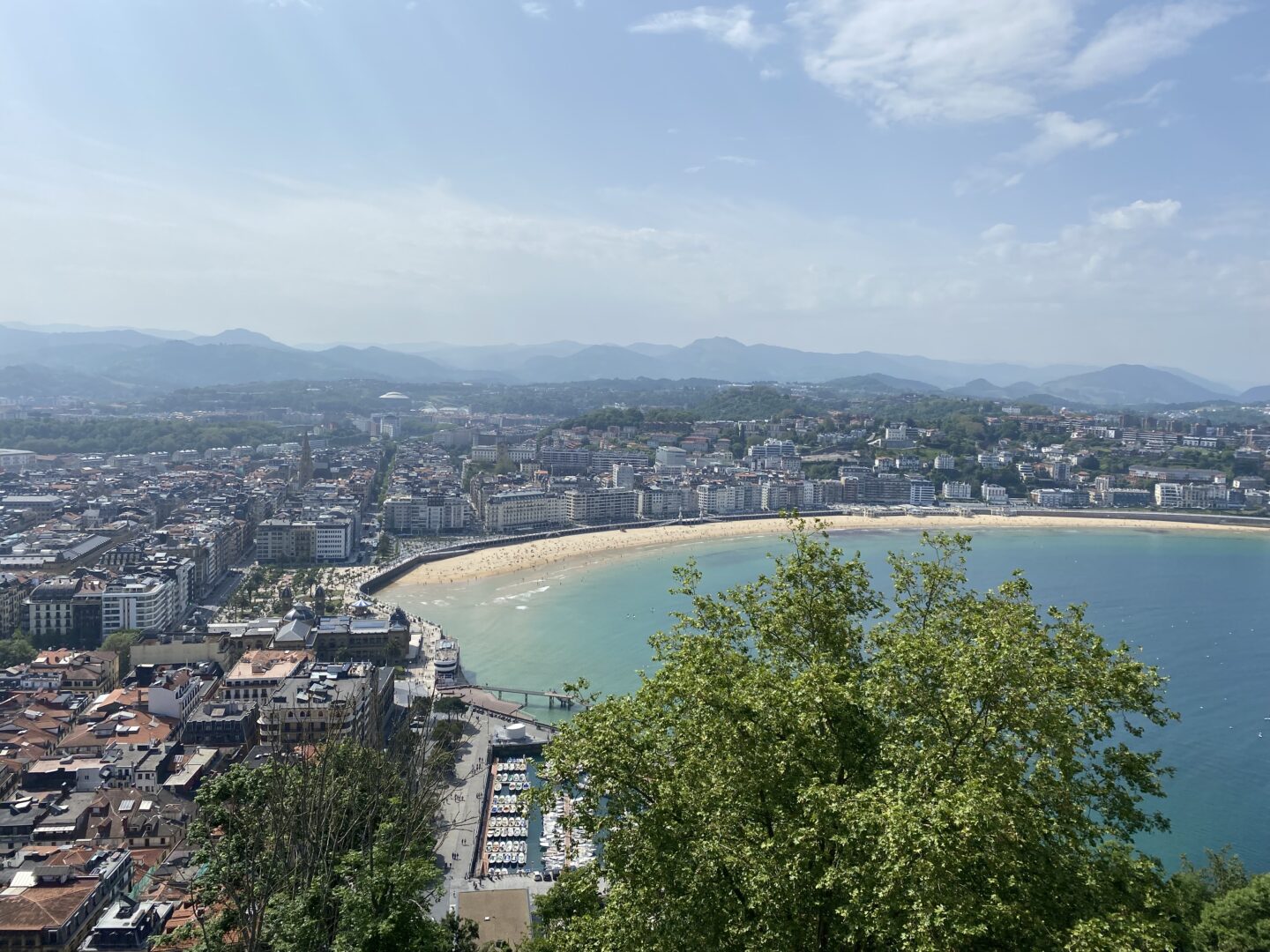
San Sebastián is such a special city in Spain. It’s a smaller city home to some of the best food in the world and absolutely stunning coastlines and mountains.
A visit here wouldn’t be complete without indulging in its incredible culinary scene. A food tour is a great way to sample the city’s best spots and dive into the local Basque cuisine, including the famous Basque “burnt” cheesecake.
If you’re into fine dining, you’ll be spoiled for choice — San Sebastián boasts dozens of Michelin-recognized restaurants in and around the city. And for a more traditional experience, a stop at one of the Basque cider houses is a must.
Beyond the food, San Sebastián offers plenty of outdoor beauty. You can hike up Mount Urgull for panoramic views and a glimpse of its historic walled keep, or take a scenic walk along the waterfront before relaxing on one of the city’s gorgeous beaches.
“I visited San Sebastián in 2023 before starting my Camino and fell in love with the city. I’ve never seen a city so beautiful with its vibrant blue green water and mountains around. If I’m ever able to afford a vacation home, I would love to have one here!“
– Mikala
🛫 How to get there: To get to San Sebastián, it’s easiest to fly into Bilbao and take a bus from there for about 1.5 hours. It’s also fairly easy to reach the city by bus or train from Logroño, Pamplona, and Zaragoza.
#10: Logroño (La Rioja)
✨ Wine Country’s Historic Capital ✨

Logroño is a charming historic city in the heart of Spain’s premier wine region. If you’re a wine lover, then this city is a must! You can enjoy fantastic wine and food in the city and take day trips out to wineries in the surrounding area.
For a unique experience, consider visiting during the third week of September for a festival to celebrate the grape harvest. Known as Vendimia Riojana or the San Mateo Harvest Festival, the city has hundreds of events to celebrate, including parades, concerts, fireworks and more.
“Logroño falls along the Camino de Santiago, so you’ll likely see pilgrims stopping in the city. I stopped there myself and really loved this part of my journey. I found the town to be quite charming and hiking in and out of it and seeing the surrounding vineyards was spectacular.“
– Mikala
🚆 How to get there: Logroño is most easily reached from Bilbao via bus or train journeys of around two to three hours. It’s also easy to reach by bus or train from San Sebastián, Zaragoza, and Pamplona.
#11: Pamplona (Navarra)
✨ History, Hemingway & The Running of the Bulls ✨
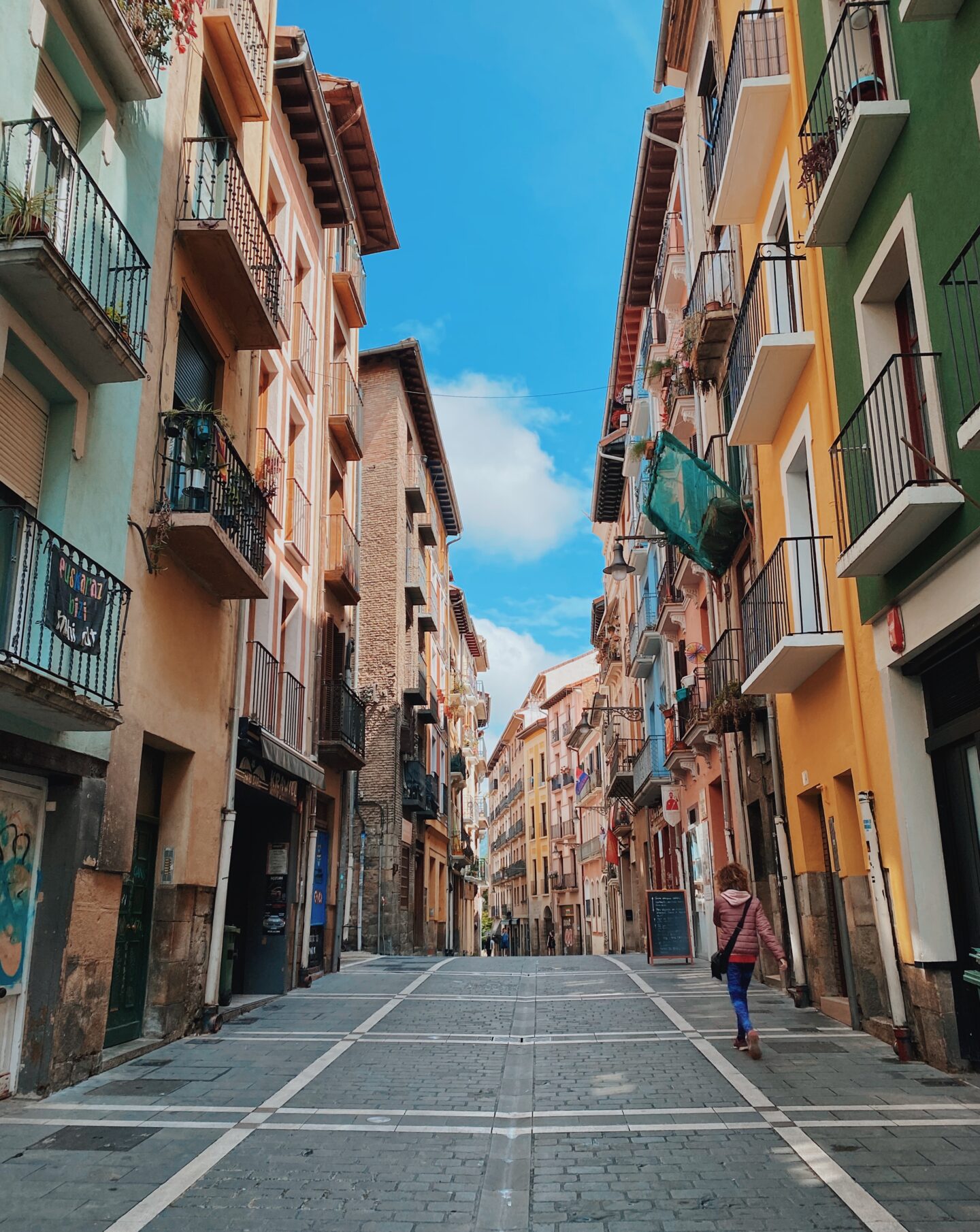
Pamplona may be most well-known for its annual running of the bulls, but there’s so much more to the city than that!
Pamplona is a charming historic city, allegedly initially founded by the Roman Pompey, Julias Caesar’s rival. In medieval times, Pamplona became the most fortified town in the north, and you can still see some of the old city walls today.
Ernest Hemingway travelled to the city multiple times, and his visits inspired his first book The Sun Also Rises. You can visit one of his favourite restaurants, Café Iruña.
“I’ll never forget my time in Pamplona while hiking the Camino de Santiago. Entering the city through its old walls felt like something out of a movie. I loved exploring the quaint old town, and I had such great food there too.”
– Mikala
🚆 How to get there: Pamplona is 3-3.5 hours from Madrid by train and 4 hours from Barcelona by train. It’s also easy to reach by bus or train from San Sebastián, Logroño, and Zaragoza.
#12: Zaragoza (Aragón)
✨ Roman Ruins & Grand Cathedrals ✨

Zaragoza and the larger Aragón region is considered to be such a hidden gem. While it’s not very touristy, Zaragoza has so many attractions that make it worth visiting.
You can see Roman ruins throughout the city as well as Mudéjar architecture. Most notably, you won’t want to miss the Alfajería Palace, a fortified palace built in the 11th century.
Zaragoza also has not one but two cathedrals situated along the Ebro River that are popular among visitors: the Basilica de Nuestra Señora del Pilar and the Cathedral del Salvador.
The city is also home to the Goya Museum. The museum displays works from Francisco de Goya, one of the most famous Spanish artists, as well as other notable artists. Note that the museum is unfortunately closed for renovations until 2026.
🛫 How to get there: Zaragoza has a small airport with flights elsewhere in Spain and to some larger international cities. It’s easily reachable by train from Madrid and Barcelona, both less than two hours away. The city is also well-connected by bus or train to Bilbao, San Sebastián, Logroño, and Pamplona.
#13: Ordesa y Monte Perdido National Park (Aragón)
✨ Hiking & Adventure in the Pyrenees ✨

If you enjoy hiking or climbing, you may want to add Ordesa y Monte Perdido National Park to your list. This park situated along the Pyrenees Mountains is the second oldest national park in Spain.
One of the most popular hikes is the Senda de los Cazadores (Trail of the Hunters). The hike is a challenging almost 12-mile loop with views of the surrounding mountains, waterfalls, and the Ordesa Valley.
🚗 Best way to visit: The park isn’t too far from Zaragoza or Barcelona and can be reached from either. While there are bus and train options available, having a rental car gives you the flexibility to explore at your own pace 👉 Compare rental car options here. If you’re driving, keep in mind that some areas of the park have seasonal vehicle restrictions, so check local regulations before heading out.
#14: Barcelona (Cataluña)
✨ Gaudí’s Masterpieces & Mediterranean Vibes ✨


As Spain’s second-largest city, Barcelona is often quite popular for many travellers and for good reason. From beaches to mountains, Gaudí’s impressive architectural works, and unique culture, it’s a special city to visit.
“When I visited Barcelona, I was in awe of all the city had to offer. Gaudí’s cathedral Sagrada Familia is still one of my all-time favorite places I’ve been in Spain. The building has been under construction for over 140 years but is supposed to finally be complete in 2026. If you do visit, be sure to book a cathedral ticket that lets you go up to one of the towers!“
– Mikala
Beyond Gaudí’s most famous work, Barcelona is filled with incredible things to see and do:
- Park Güell – Another Gaudí masterpiece, this whimsical park is filled with colorful mosaics, surreal architecture, and one of the best views over the city.
- Gothic Quarter – Wander through Barcelona’s oldest neighborhood, where medieval streets lead to hidden plazas, historic cathedrals, and charming cafés.
- Passeig de Gràcia – If you love architecture and shopping, this elegant boulevard is home to Gaudí’s Casa Batlló and Casa Milà, along with designer stores and stylish boutiques.
- Barceloneta Beach – No trip to Barcelona is complete without some time by the sea! Relax on the city’s most famous beach or walk along the waterfront promenade.
- La Boqueria Market – One of Europe’s most famous food markets, packed with fresh produce, seafood, tapas, and sweet treats. Perfect for a quick bite or a food tour!
- Bunkers del Carmel – One of Barcelona’s best sunset spots, offering 360-degree views of the city and coastline.
Discover Barcelona: Book the Best Tours & Day Trips!
GOYA RECOMMENDS
Sure, no trip to Barcelona is complete without a stop at La Boqueria, where the stalls overflow with fresh fruit, sizzling seafood, and perfectly carved jamón ibérico.
It’s the kind of place where you wander aimlessly, snacking as you go, and somehow still wish you had room for more. But Barcelona isn’t just about tapas and markets — it also knows how to do seriously good brunch!
On my last visit, a girls’ trip filled with sunshine, good food, and long, lazy mornings, we started our days at Flax&Kale, where I had the most epic avocado toast, piled high with toppings and just the right balance of crunch and creaminess.
Another morning, at Brunch & Cake, we lingered over cappuccinos and gorgeous pancakes, watching the city wake up around us.


It was the kind of trip where mornings stretched lazily into afternoons, where every meal felt like an event, and where I couldn’t help but wonder — why doesn’t every day start like this?
🛫 How to get there: Barcelona is home to a major international airport and train hub.
#15: Girona (Cataluña)
✨ Medieval Charm & Game of Thrones Filming Sites ✨
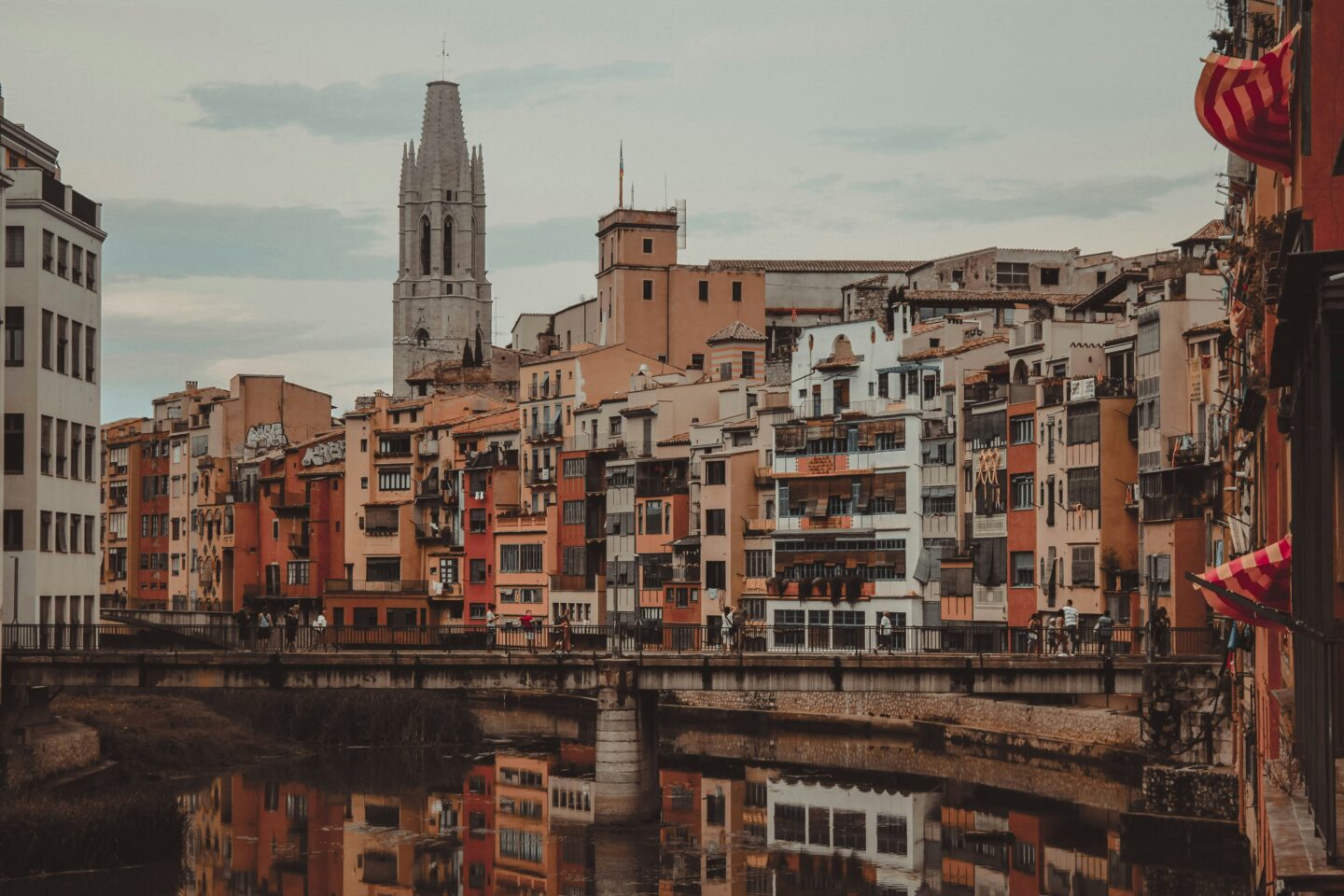
Around an hour from Barcelona by train, Girona is a charming city full of narrow medieval streets and walls that make you feel as if you’ve been transported back in time.
So, it’s no wonder that it was a major Game of Thrones filming location and is located close to both the Pyrenees Mountains and the Costa Brava.
But Girona isn’t just about history — it’s also a food lover’s dream. The city is home to some epic eateries, including El Celler de Can Roca, thas earned a reputation as one of the best restaurants in the world.
“More than anything, I want to visit and splurge on a meal at the three-Michelin star restaurant El Celler de Can Roca after watching the Chef’s Table: Pastry episode about it. Three brothers run this restaurant together, serving up creative Catalan dishes.”
– Mikala
With its medieval charm, stunning surroundings and an exceptional culinary scene, Girona is a city that leaves a lasting impression!
🚆 How to get there: While easily reachable by train from Barcelona, Girona also has its own airport with flights throughout Europe.
How to Travel Around Northern Spain
Renting a car is often the fastest and most flexible way to explore Northern Spain, especially if you want to visit many areas, allowing you to take scenic detours and visit smaller towns at your own pace.
While buses and trains are available, routes can be longer and less direct. For instance, travelling from Santiago de Compostela to Oviedo is around three hours by car but can take six hours or more by bus.
A popular road trip in northern Spain involves driving from San Sebastián in the east all the way to Santiago de Compostela in the west, stopping in coastal cities and towns along the way.
That said, if you plan to visit a smaller area of Northern Spain or have more time for longer journeys on your trip, you could certainly travel via bus and train if you prefer.
💡 You can refer to the notes above on cities that are better connected by bus or train and keep that in mind as you plan your trip.
🚗 Need a rental car for your trip? Compare options here: 👉 Find a car rental.
Frequently Asked Questions
Here are some answers to frequently asked questions when it comes to visiting northern Spain:
Is Northern Spain Worth Visiting?
Yes! With beautiful diverse landscapes, world-class food, and rich culture, northern Spain is absolutely worth visiting! The region has something for everyone with mountains, beaches, charming villages, busy cities, Michelin-star restaurants, and affordable tapas and pintxos.
What Is the Most Beautiful Place in Northern Spain?
Many consider Asturias the most beautiful region in Northern Spain for its green mountains, dramatic coastline, and charming villages. It’s often called “Spain’s natural paradise”, offering breathtaking views, authentic culture, and incredible food.

What Is the Nicest City in Northern Spain?
San Sebastián is widely considered the nicest city in Northern Spain. It offers gorgeous beaches, an iconic Old Town, and a world-famous food scene. Whether you’re there for pintxos, surfing, or scenic hikes, it’s the perfect mix of coastal charm and luxury.
What Is the Best Month to Visit Northern Spain?
The best months to visit Northern Spain are June and September — warm, sunny, and less crowded. July and August offer great beach weather but are busier, while spring and autumn are ideal for mild temperatures and fewer tourists.
How Many Days Do You Need in Northern Spain?
For a full experience, 10-14 days is best, but 5-7 days is enough for one region. A weeklong trip could cover Bilbao, San Sebastián, and Logroño, while two weeks lets you explore Galicia, Asturias, Cantabria, and the Basque Country.
Hiking the Camino de Santiago
If reading about the top places to visit in northern Spain has you wanting to check out the Camino de Santiago, then head over to Mikala’s blog and learn more about the ancient pilgrimage route!
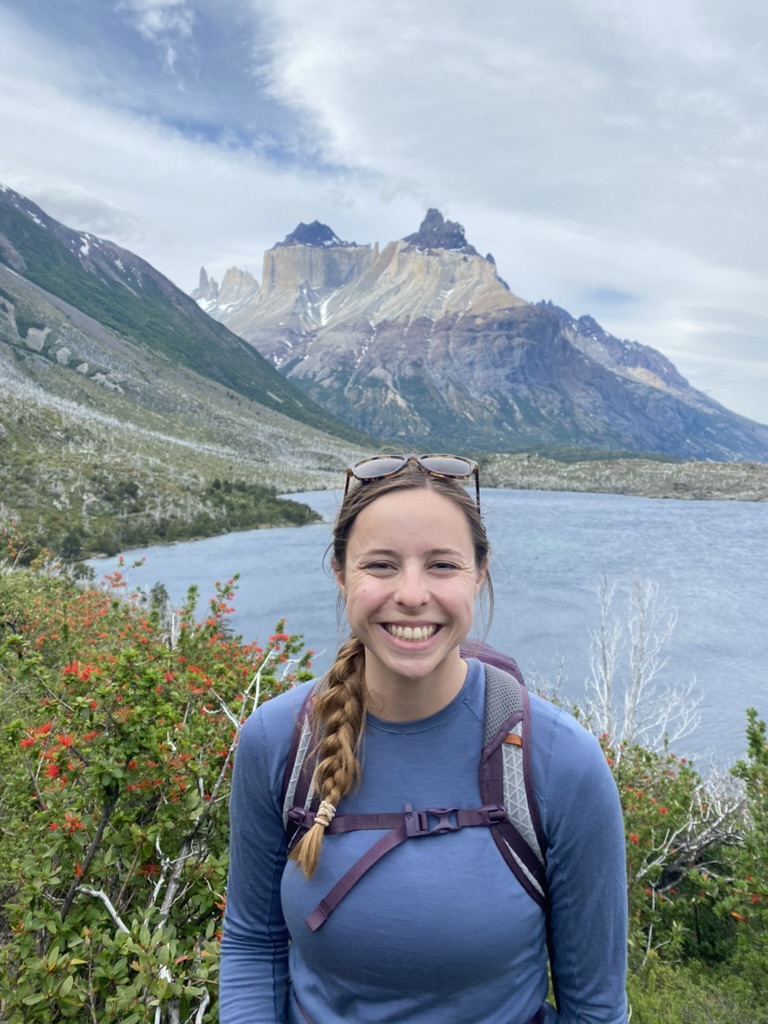
About the Author
Mikala Whitaker is the owner and founder of The Unanchored Passenger.
After a journey of healing from heartbreak following a broken engagement, Mikala embraced solo travel and adventure as a way to rediscover herself and the world.
She hiked the Camino de Santiago in 2023 and has travelled to nearly 30 countries. Mikala writes extensively about the Camino and focuses her blog on providing information and inspiration to help others travel more.
SAVE & SHARE
Northern Spain is one of Europe’s best-kept travel secrets, offering incredible food, history, and landscapes.
Beyond its natural beauty and rich culture, Northern Spain also shines in other ways. It’s also home to some of the best wine regions in the world, with Rioja leading the charge, though a few up-and-coming wine regions in Spain are quickly gaining global recognition.
For those visiting in winter, Northern Spain offers more than just picturesque towns and cozy tapas bars. Some of Europe’s best ski resorts for beginners are found in the Pyrenees, making it a great destination for first-timers. The region is also a great place to explore Spain’s Christmas traditions.
No matter what kind of traveler you are, Northern Spain has something special waiting for you.
Which destination in Northern Spain excites you the most? Let us know in the comments!
And if you loved this post, why not share?

More Spain & Travel Inspiration
- Love wine? Northern Spain is home to world-class wine regions — but how does it compare to the best wine regions in the world? 👉 Find out here
- Looking for underrated wine destinations? Spain has some hidden gem wine regions you don’t want to miss. 👉 Explore them here
- Thinking about skiing in Spain? Northern Spain has fantastic slopes — find the best ski resorts for beginners before planning your trip! 👉 Check them out
- Curious about Spanish holiday traditions? Discover how Spain celebrates Christmas alongside other unique Christmas traditions around the world! 👉 Read more
- Want a winter getaway beyond Northern Spain? Explore the best European winter breaks for history, culture, and seasonal charm. 👉 Get inspired
Cover Photo by maría Yolanda C.P.


Yes! We walked the entire Camino a few years ago and it was life changing. Northern Spain is very under the radar and we loved every thing we did and saw during our 39 days. This is a great post with some excellent detail. I’m saving !!
Wow, walking the entire Camino must have been an incredible experience! 39 days of exploring Northern Spain sounds absolutely amazing. So glad you enjoyed the post—thank you for saving it! Do you have a favourite spot or moment from your journey?
This is an incredible guide to Northern Spain which I would love to visit – particularly San Sebastián & the Guggenheim art museum, I love the quotes!
Thank you! I’m so glad you enjoyed the post and the quotes — Mikala’s in-depth, firsthand experience really brings it to life, doesn’t it? 🙂
Though I’ve spent time in Bilbão and Vitoria-Gasteiz, I haven’t had a chance to further explore this area. Picos de Europa National Park looks stunning!
Definitely worth a visit!